


Purpose
To improve the employability, self-reliance, and economic independence of persons with disabilities and caregivers.
Key activities
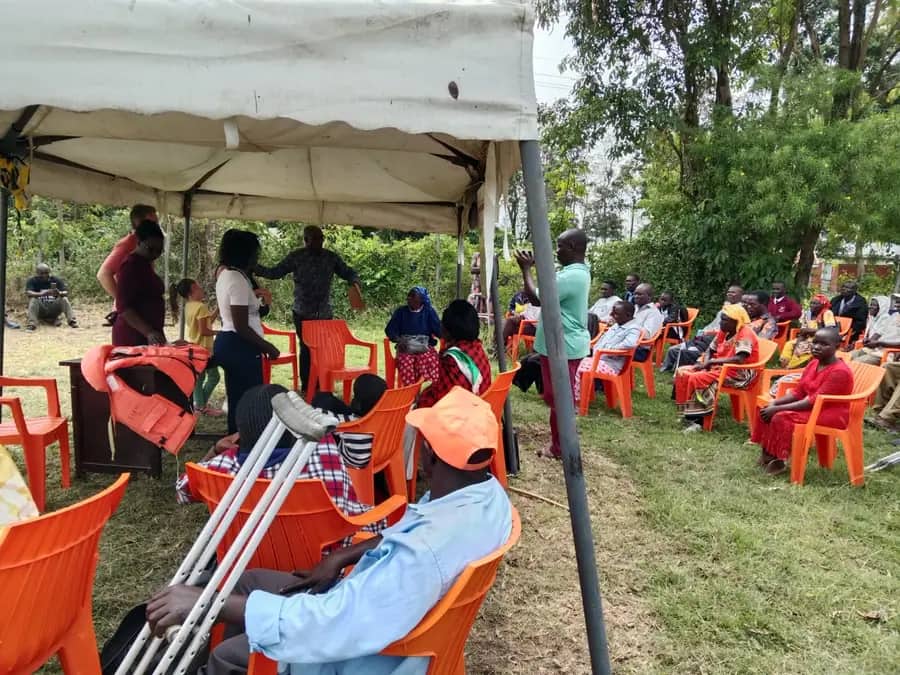
- Partnering with other organisations and qualified trainers to provide vocational and livelihood-skills training to our members
- Sharing information about available vocational training, employment, and livelihood opportunities through the Community Resource Hub program
- Facilitating members, particularly persons with disabilities and caregivers, to enrol in and attend suitable vocational training programs
- Mobilising assistive devices, tools, and start-up equipment for trained members who need support to apply their skills, establish income-generating activities, and become more self-reliant
Intended outcomes
- Improved access to vocational training and livelihood information
- Stronger pathways into employment and income-generating activities
- Better use of assistive devices, tools, and start-up equipment
- Greater economic independence for persons with disabilities and caregivers
Reported impact
Impact: July 2024–July 2026
Through the Community Resource Hub program, CLIP-KENYA provided information and practical assistance to persons with disabilities and caregivers seeking access to government programs and services. This included guidance on KRA income-tax exemptions for eligible persons with disabilities, the Inua Jamii Cash Transfer Program for Persons with Severe Disabilities, and opportunities available through the National Youth Opportunities Towards Advancement (NYOTA) Project.
CLIP-KENYA supported members to understand program eligibility requirements, prepare the necessary documents, complete online applications, and obtain referrals to the appropriate government offices. This assistance improved access to social protection, tax relief, vocational training, employment, and livelihood opportunities.
CLIP-KENYA also shared information about available vocational training programs, collaborated with other organisations and training providers, and facilitated members to participate in suitable training opportunities. The organization continued to mobilize assistive devices, vocational tools, and start-up equipment for trained members who required support to apply their skills and establish sustainable income-generating activities.
Who can contact us
Persons with disabilities, caregivers, trainers, and partner organizations may contact CLIP-KENYA about vocational training and livelihood support.
Connect persons with disabilities and caregivers to practical training, tools, and sustainable livelihood opportunities.