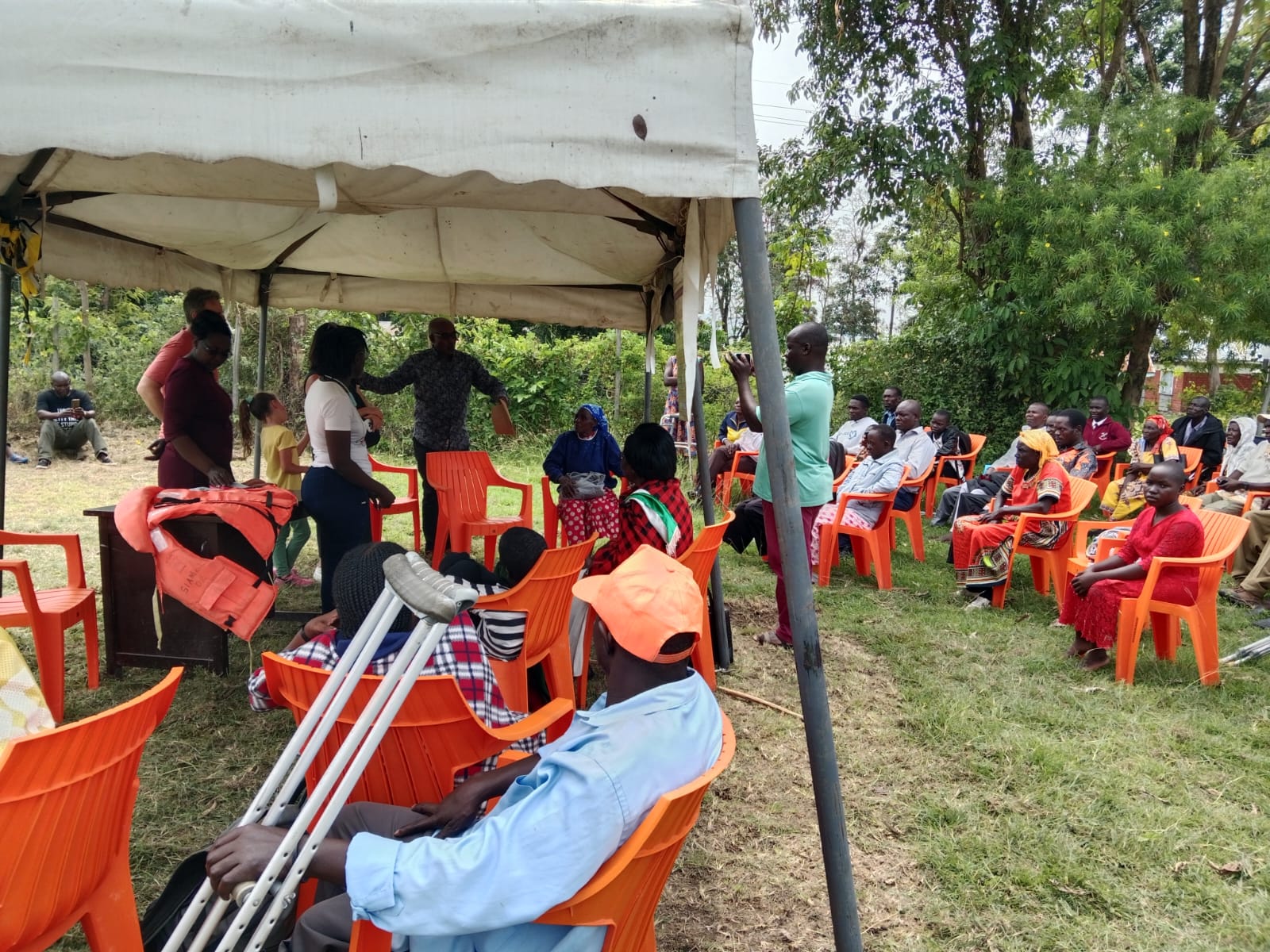
Discover how our evidence-based programs address critical gaps and create lasting impact in the lives of persons with disabilities in Kenya.
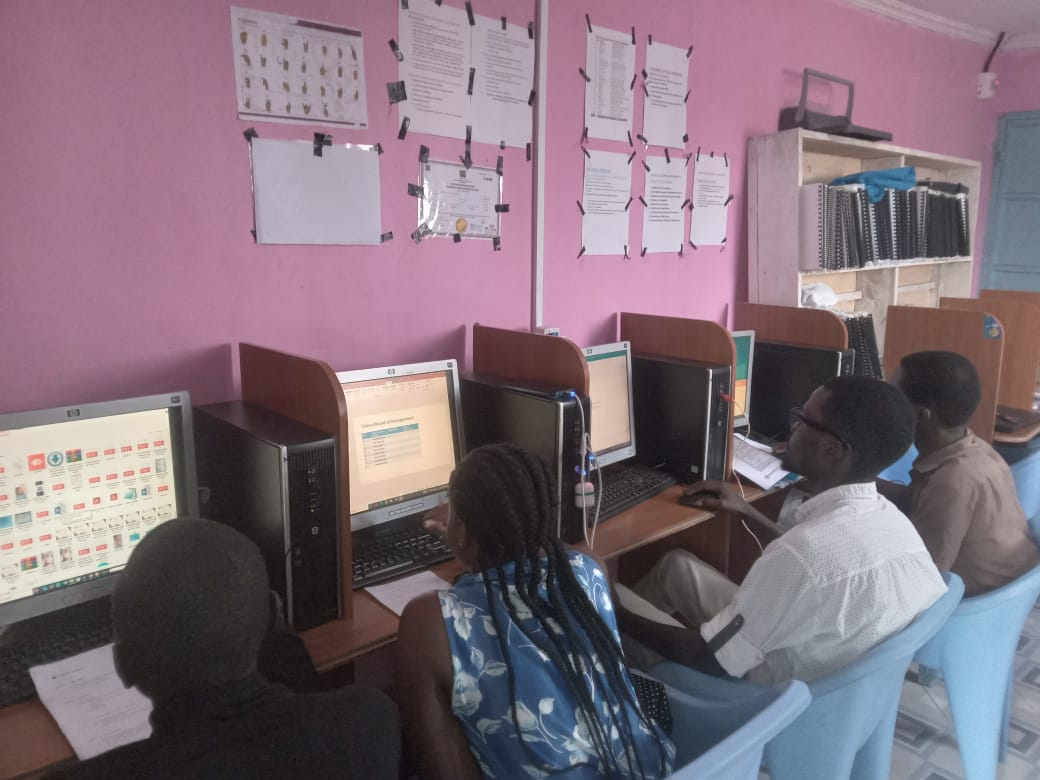
In Kenya, access to digital skills remains a major barrier for persons with disabilities. Research shows that only 19% of learners with disabilities complete secondary education, compared to nearly 50% of the general population. This limits their ability to benefit from technology and digital opportunities.
Source: Mobility International USA, Disability in Kenya Infographic (2018)
CLIP-Kenya addresses this gap by offering digital literacy classes that equip learners with essential computer and internet skills, opening pathways for education, communication, and employment.
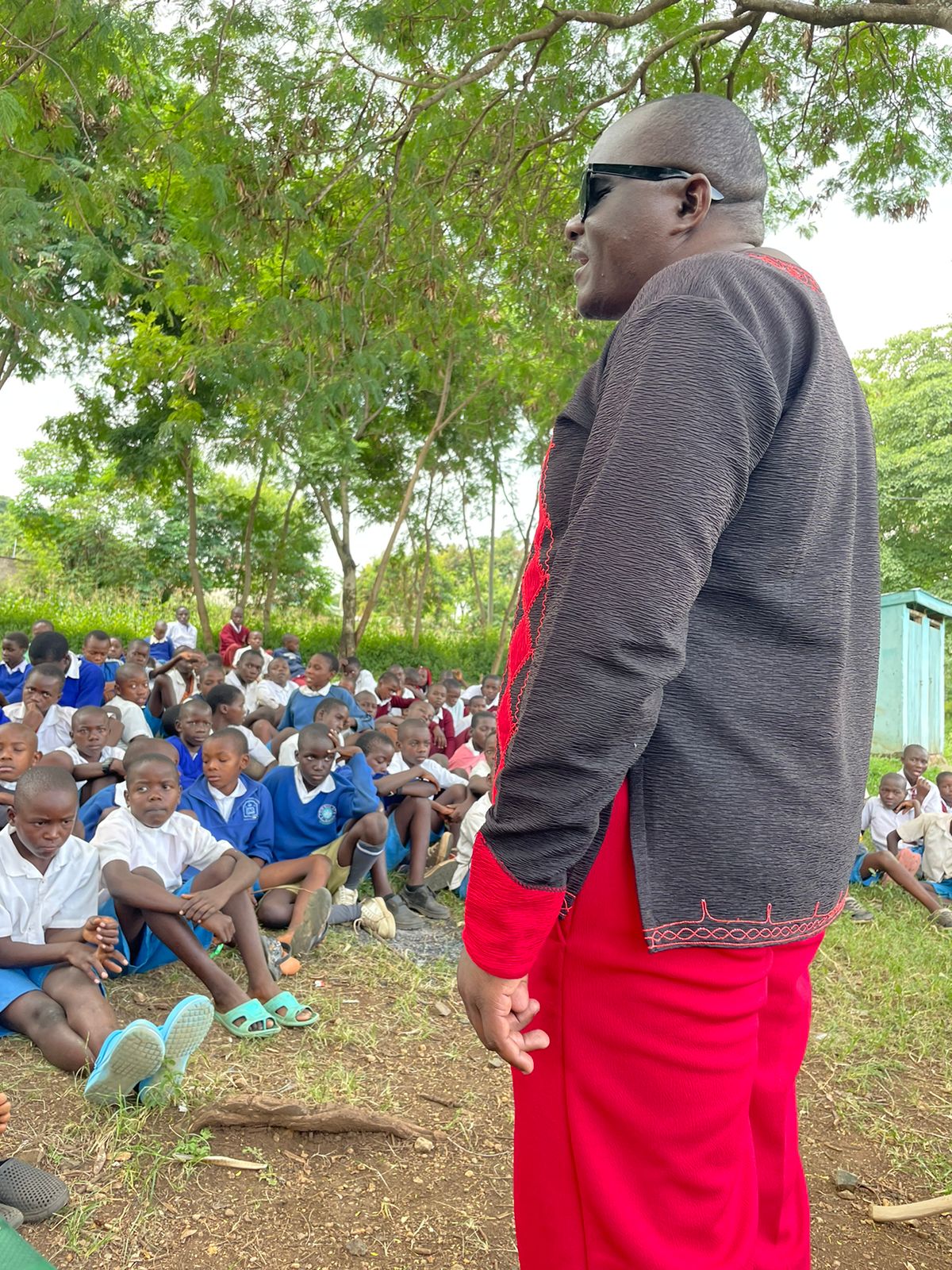
Despite Kenya's progressive laws, including the requirement that 5% of jobs in public institutions be reserved for persons with disabilities, recent reports show that only about 1% of institutions comply. Stigma, discrimination, and weak policy enforcement continue to exclude persons with disabilities from schools, workplaces, and community participation.
Source: United Nations Development Programme, Disability Inclusion Status Report 2025 (2024)
CLIP-Kenya works to change this reality through advocacy campaigns, leadership training, and empowerment initiatives that raise awareness and promote inclusion.
Economic independence is one of the greatest challenges for persons with disabilities in Kenya. Current studies indicate that only one-third of persons with disabilities are employed, and those employed earn, on average, 45% less than their non-disabled peers. Poverty levels are also higher among persons with disabilities (67%) compared to the general population (52%).
Source: Mobility International USA, Disability in Kenya Infographic (2018)
At CLIP-Kenya, we recognize that not every person with a disability is able to join formal vocational institutions. While we are in the process of establishing our own sewing hub, we currently support those who cannot access training by providing them with essential information, guidance, and linkages to opportunities. Our goal is to ensure that no one is left behind, and that every individual has access to skills and resources that can empower them towards self-reliance.
Students with disabilities in Kenya often lack role models, guidance, and structured mentorship, leaving them vulnerable to low self-esteem and limited leadership opportunities. Evidence shows that learners with disabilities perform significantly worse in national examinations, scoring on average 20 percentage points lower than their peers.
Source: Partnership for African Learning (PAL) Network, Policy Brief: Expanding Equity and Inclusion in Education and Employment of Persons with Disabilities (2022)
Through the Nurtured Light Mentorship Program, CLIP-Kenya provides mentorship and leadership development, helping students build confidence, stay in school, and realize their potential.
Our programs are designed based on research and real-world challenges. Every participant represents a life transformed and a community strengthened.